Understanding the psychology behind gambling What drives our bets
Understanding the psychology behind gambling What drives our bets
The Allure of Risk and Reward
The psychology of gambling is deeply intertwined with the human experience of risk and reward. At its core, the thrill of placing a bet is akin to a rollercoaster ride; it’s the anticipation that makes it so intoxicating. People are drawn to the excitement of potentially winning big, and this exhilaration stimulates the brain’s reward centers, releasing dopamine and creating feelings of pleasure. This neurochemical reaction not only fuels the desire to gamble but also creates an addictive loop that many find hard to break. For those interested in exploring online gaming platforms, senseizino.co.uk offers a modern experience tailored to enhance this thrill.

Moreover, the nature of gambling often plays on the concept of variable rewards, where the outcomes are unpredictable. This unpredictability heightens the excitement and fosters a sense of urgency. Just like a slot machine that may payout on an unpredictable schedule, the element of surprise can lure players back in. The hope of hitting a jackpot keeps players engaged, often leading them to chase losses, further exacerbating their gambling behaviors.
Additionally, the psychological concept of loss aversion also significantly impacts how gamblers behave. This principle suggests that the pain of losing is psychologically more intense than the pleasure derived from winning. As such, gamblers often double down after a loss, convincing themselves that they need to recover their losses, which can lead to reckless betting and poor decision-making. This cycle underscores the powerful grip that the desire for both risk and reward has on individuals.
The Role of Environment and Design
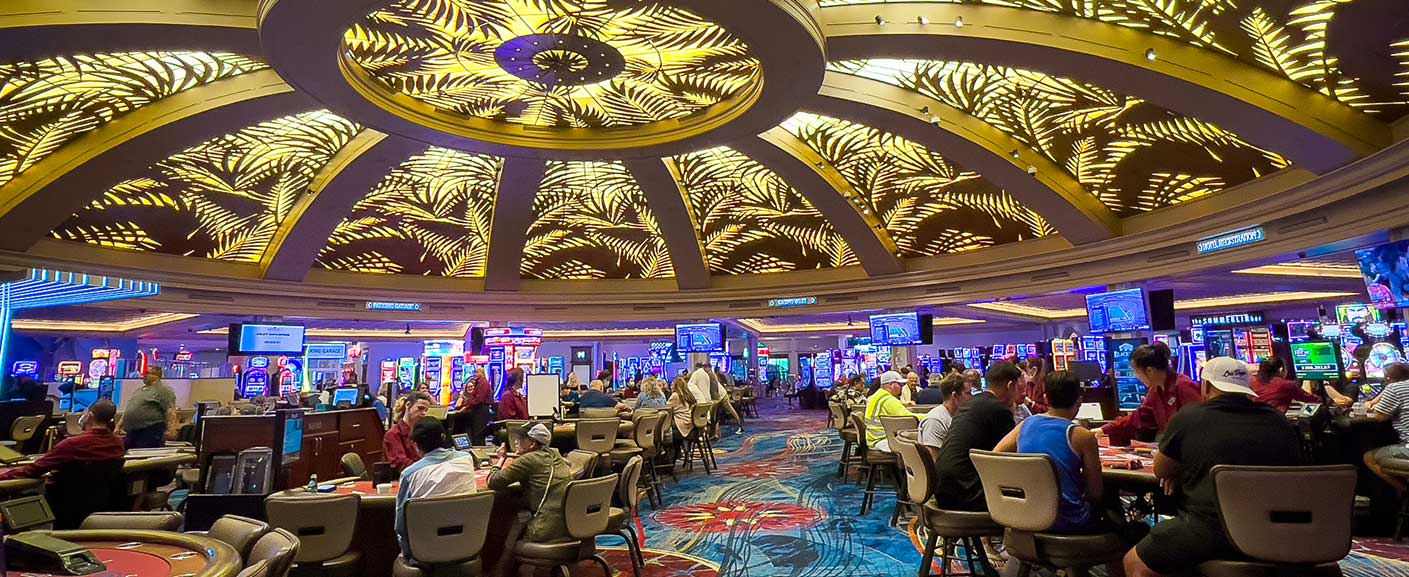
The design and atmosphere of casinos play a pivotal role in shaping gambling behavior. Casinos are strategically designed to create an immersive environment that encourages players to spend more time and money. Elements such as lighting, sound, and decor are meticulously planned to evoke feelings of excitement and luxury. The absence of clocks and windows in many establishments creates a disorienting effect, making players lose track of time and pushing them to continue gambling longer than they initially intended.
Furthermore, the layout of gaming floors is designed to maximize engagement. Games are arranged to create a sense of urgency and visibility, enticing players to try their luck. Table games often feature friendly dealers who engage with players, fostering a social atmosphere that encourages interaction and, consequently, longer gambling sessions. The combination of these environmental factors amplifies the thrill of gambling, making it more appealing and often leading to increased spending.
Psychological triggers embedded within casino design also exploit various cognitive biases. For instance, the placement of high-stakes games near popular attractions can lead to impulsive decisions. Players may feel compelled to bet more after witnessing others winning nearby, driven by social proof. These design elements not only draw players in but also subtly manipulate their decision-making processes, often leading to higher stakes than originally planned.
The Impact of Social Influence
Human behavior is significantly affected by social contexts, and gambling is no exception. Social influences can come from friends, family, and even online communities, where the culture of gambling is often celebrated. The phenomenon of peer pressure can lead individuals to participate in gambling activities even if they had no initial interest. The desire to fit in or impress others can result in making bets that are contrary to one’s financial capabilities or better judgment.
In addition, the proliferation of social media has further magnified the impact of social dynamics on gambling. Players often share their wins and losses online, creating a narrative that glamorizes gambling experiences. This portrayal can entice others to join in, believing they too could achieve similar victories. The visibility of others’ successes can distort perceptions of gambling, making it seem like a more viable option than it is, thus encouraging reckless behavior.
Moreover, gambling communities, both online and offline, often develop their own norms and values that can encourage excessive gambling. Such environments can normalize high-risk behavior, leading individuals to gamble more than they might on their own. This sense of belonging can create a feedback loop that perpetuates gambling behavior, making it difficult for individuals to break free from the cycle.
The Psychological Effects of Winning and Losing
Winning in gambling can have profound psychological effects, often reinforcing the behavior and making it more likely for individuals to gamble again. The excitement of winning not only triggers a rush of dopamine but also enhances self-esteem and feelings of control. Gamblers often believe they possess special skills or insights that contributed to their wins, leading to an inflated sense of confidence. This overconfidence can result in taking bigger risks in future bets, as the individual feels invincible.
Conversely, losing can lead to a range of negative emotions, including shame, guilt, and frustration. The emotional turmoil associated with losses can drive individuals to gamble again in hopes of recovery, often referred to as “chasing losses.” This behavior can be particularly damaging, as it can lead to a vicious cycle where the individual becomes trapped in a never-ending quest to regain what has been lost. The emotional highs and lows of gambling create a rollercoaster effect that can be addictive in its own right.
Additionally, the psychological ramifications of gambling can lead to serious mental health issues over time. Anxiety, depression, and other emotional struggles can arise from prolonged gambling behavior, especially when combined with financial strain. The inability to manage these emotions often results in seeking solace through further gambling, deepening the cycle of addiction and creating a need for professional intervention.
Safe Gambling: Finding Balance in a Modern Casino
Understanding the psychology behind gambling is essential for promoting responsible gaming practices. Many modern online casinos, such as Senseizino, recognize the importance of player safety and implement features designed to help gamblers maintain control. These features may include deposit limits, self-exclusion options, and reality checks that remind players of their time and spending. By encouraging players to engage mindfully, casinos can mitigate some of the harmful effects of gambling.
Moreover, ongoing education about responsible gambling practices is crucial. Casinos can offer resources, such as information about the signs of gambling addiction and ways to seek help. By fostering an environment of transparency and support, players can make informed decisions and cultivate a healthier relationship with gambling. Providing easy access to support services can empower individuals to seek assistance when needed.
Ultimately, striking a balance between entertainment and responsible gambling can create a more sustainable environment for players. Acknowledging the psychological factors at play allows casinos to design their offerings in a way that promotes a safe and enjoyable experience. As the industry evolves, prioritizing player well-being will contribute to a healthier gaming culture, benefiting both players and operators in the long run.