Alcohol and anxiety: Causes, risks, and treatment
Chronic sleep disturbances make anxiety far worse and create a feedback loop where poor sleep due to alcohol fuels anxiety, which then further disrupts sleep. Similarly, people with severe anxiety disorders may be more likely to develop AUD, particularly if they use alcohol as a coping mechanism. A 2022 longitudinal study highlights a bidirectional relationship between AUD and anxiety disorders. The authors suggest someone with AUD has a higher risk of developing an anxiety disorder and vice versa. Social Anxiety Disorder, as its name suggests, is chronic anxiety when dealing in social settings.
Overview of Depressive Disorders
I joked at the time that I had OCD moments, but I now realize that I was in the early clutches of a full-blown anxiety disorder. They effectively slow things down, helping you to relax and reduce your anxiety. It’s not just empty words, particularly when we’re talking about anxiety medications. It can intensify the negative side effects of many of these medications, particularly if you take benzodiazepines. It will seek to counteract https://dasblanding.karunahost.asia/benefits-of-vitamin-supplements-for-alcohol/ the sedating effects of alcohol by releasing more excitatory neurotransmitters.
Prevalence and Clinical Impact of Comorbid Anxiety and AUDs
- Over the first couple of days or weeks after an alcoholic quits drinking suddenly after prolonged use, they may develop acute alcohol withdrawal symptoms.
- Together, these results suggest that women may be more likely to rely on alcohol to manage anxiety.
- If these symptoms worsen with alcohol use or persist even when you’re sober, it may be time to seek professional help.
- Sunnyside Med offers access to compounded naltrexone (50mg + B6 5mg), paired with behavioral tools to help you reduce your drinking over time.
Regarding anxiety and spirit consumption, observations showed a one-way right direction causal relationship anxiety to spirit consumption among Belgium, Italy, Iceland, Ireland, Luxembourg, and the United Kingdom. In contrast, five countries opposed a one-way left-directional Granger causality from spirit consumption to anxiety. Cyprus, the Czechia, Denmark, Estonia, Ireland, does alcohol give you anxiety Malta, Netherlands, Spain, Sweden, and Switzerland are observed to show that spirit consumption does not cause anxiety, and anxiety does not cause spirit consumption. Examining the Asian continent in more detail, Japan and Qatar show a one-way right-direction causal relationship among nine high-income countries between anxiety and wine consumption.
Additional file 2. S2 Appendix. Descriptive statistics for the data set
(See Core article on neuroscience.) As described in the sections to follow, a timeline of your patient’s symptoms is a key tool for a differential diagnosis. Brief tools are available to help non-specialists assess for AUD and screen for common co-occurring mental health conditions. You can determine whether your patient has AUD and its level of severity using a quick alcohol symptom checklist6 PDF – 147.8 KB as described in the Core article on screening and assessment.
Thus, the model developed via this study closes a gap yet to be covered in the literature. This comprehensive literature analysis shows a strong and nuanced correlation between alcohol consumption and the prevalence of anxiety in different geographical areas. Research and theoretical models support the bidirectional nature of this link, which highlights the need for a balanced understanding of the complex interactions between these two components. The significance of fostering mental health, comprehending the worldwide burden of anxiety-related disease, and putting into practice focused therapies that take into consideration the difficulties that every region presents are also emphasised in the review.
It gets better, but you have to quit drinking.
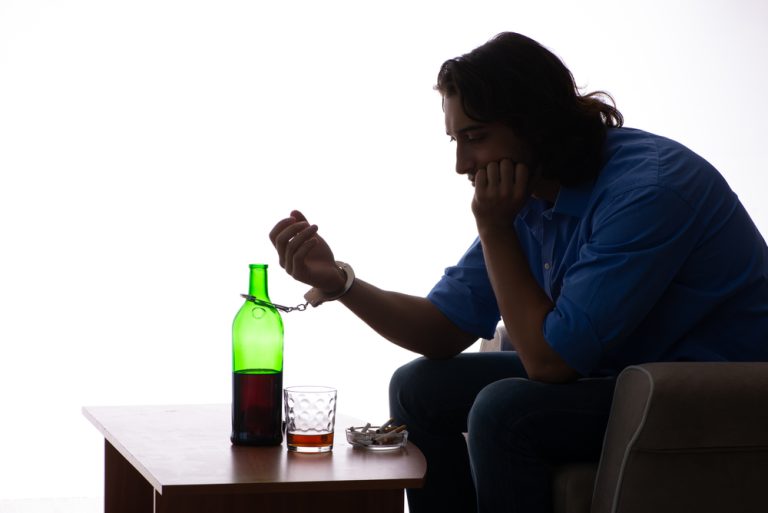
This cycle of using alcohol to cope with anxiety, only to experience worsened symptoms afterward, can be particularly insidious. It reinforces the false belief that alcohol is necessary to manage anxiety, leading to increased dependence and potentially developing into a co-occurring disorder of anxiety and alcohol use disorder. Depression after drinking is a common experience for many individuals, particularly those with a predisposition to anxiety or mood disorders. The temporary euphoria induced by alcohol is often followed by a crash in mood, leaving individuals feeling more anxious and depressed than before they started drinking. PTSD may facilitate development of AUD, as alcohol is commonly used to numb memories of a traumatic event or to cope with symptoms of posttraumatic stress, and AUD may increase the likelihood of PTSD.35 The relationship between PTSD and AUD may have multiple causal pathways.
Without these, you can experience changes in heart rate, breathing, and other symptoms that lead to anxiety. It interferes with sleep, dehydrates you, and can interact with other prescriptions or illicit drugs, all of which cause anxious symptoms. You may also experience symptoms of a hangover, which can be mild or severe and linger for days. There have been promising results in the use of gabapentin and pregabalin in AnxD and AUD patients (87–92). However, there have been recent reviews of the possibility of pregabalin abuse and studies of cases concerning the abuse of gabapentin in patients with histories of substance abuse. As clinicians, we should be vigilant and remain alert to the appearance of signs of abuse among our patients (91).
What the alcohol-anxiety relationship looked like in my life:
Using the same data set, a potential expansion of this research would look at the nature and causation of the relationship between the prevalence of anxiety and tobacco use by country. Furthermore, moderator factors such as socioeconomic level under gross domestic product, which may have a significant impact on the relationship between anxiety prevalence and tobacco use, might add more value to a future study. The complex relationships between anxiety and alcohol consumption across continents in high-income countries are shown by this extensive study.
It works by increasing serotonin levels in the brain, which helps regulate mood and reduce anxiety. A night of drinking can bring up feelings of anxiety or jitteriness, even if you’re not diagnosed with an anxiety disorder. Alcohol affects the levels of serotonin and other chemicals in your brain, so it affects your body and mind in various drug addiction ways the next day. Also, the concept of causation among co-occurring conditions may be based on an incorrect assumption. Rather than two distinct conditions, each requiring a cause, negative affect and alcohol misuse may be parts of a single, neurobiological-behavioral syndrome.
Literature review
This symptom results from the body’s attempt to regulate itself during alcohol withdrawal. As the body detoxifies from alcohol, the autonomic nervous system becomes hyperactive, leading to excessive sweating. Sweating is more common in individuals undergoing severe withdrawal or those with a long history of heavy alcohol use.